


Family Stories from the 1970s Abruzzo Wine Harvests
Updated: Aug 19, 2025
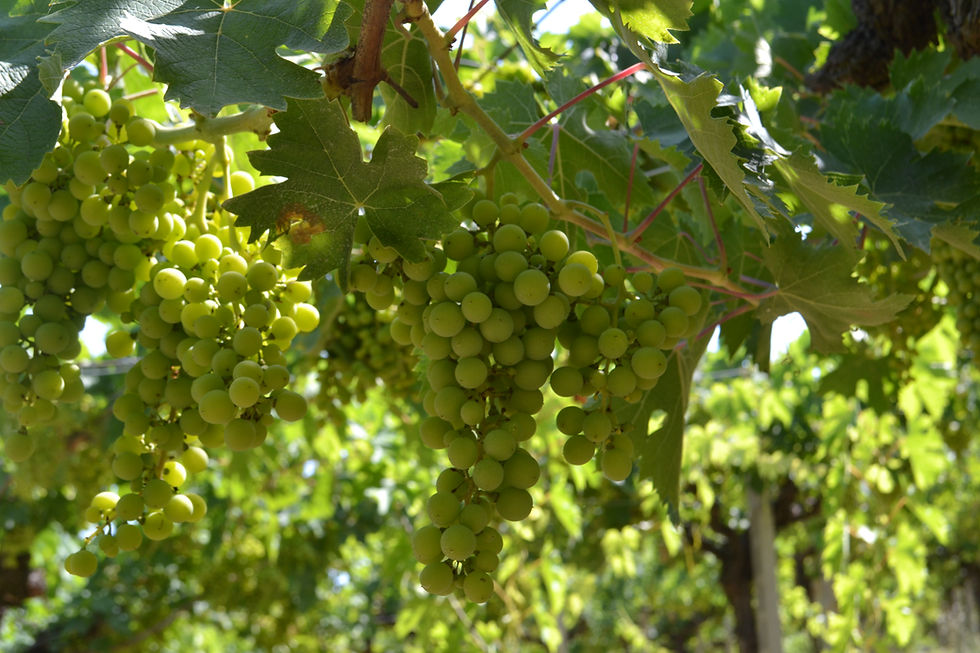
Morning light brushed the hills of Abruzzo, carrying the sweet, tangy scent of ripe grapes. Barefoot, I ran between rows of Montepulciano and Trebbiano, eyes wide with wonder, heart brimming with awe. My grandfather would point out the clusters to leave on the vine those that hadn’t yet reached the perfect ripeness. A careful gesture, because unripe grapes meant less sugar… and less money when delivered to the cooperative winery.
My father, Cataldo, and my mother, Lucia, hands raised among the vines, picked every grape with care, ready to be transformed into wine.
Beside them, my grandmother Nicoletta, our family’s “bulldozer”, moved with astonishing strength and speed, gathering bucket after bucket of grapes while we children tried to keep up, laughing. Tireless and joyful, she made it all look effortless.

It was the 1970s, and I was just a child. My grandfather, Piacentino, had chosen to rebuild after the war, turning land once destroyed or even mined by the Nazis into lush vineyards. He grew table grapes and wine grapes alike: some destined for wine he sold personally in town, the rest delivered to the local cooperative in Giuliano Teatino.
One memory shines brighter than the rest: a village lady whose name I never knew arriving with her cart, loaded with grapes and pulled by a stubborn little donkey. To weigh the load, she stepped onto the scale… but the donkey refused to stand still, shuffling back and forth as we children laughed and tried to persuade it with gentle coaxing.

At the cooperative, the grapes were checked not just on the scale but also for sugar content. Sample clusters were pressed, their juice measured to determine the harvest’s value.
Every moment was a small daily miracle: golden and purple clusters hanging in the sunlight, the earthy scent of soil and grapes, hands and faces stained with juice, the warmth of the sun on our shoulders, the smiles of those working side by side. The harvest was more than work, it was a connection to the land, a lesson in patience and care, and a promise of wine that would tell our story.

The grape harvests of the 1970s were more than memories—they were a living testament to the passion of my grandfather, my parents, my grandmother Nicoletta, and the whole family. Skilled hands, laughter, sacrifice, and love for the land created an inheritance that still inspires those who work among the vines and those who savor a glass of Abruzzo wine.


Comments